How Much Energy Does a New Home Really Use? Energy Efficiency in New Construction Homes
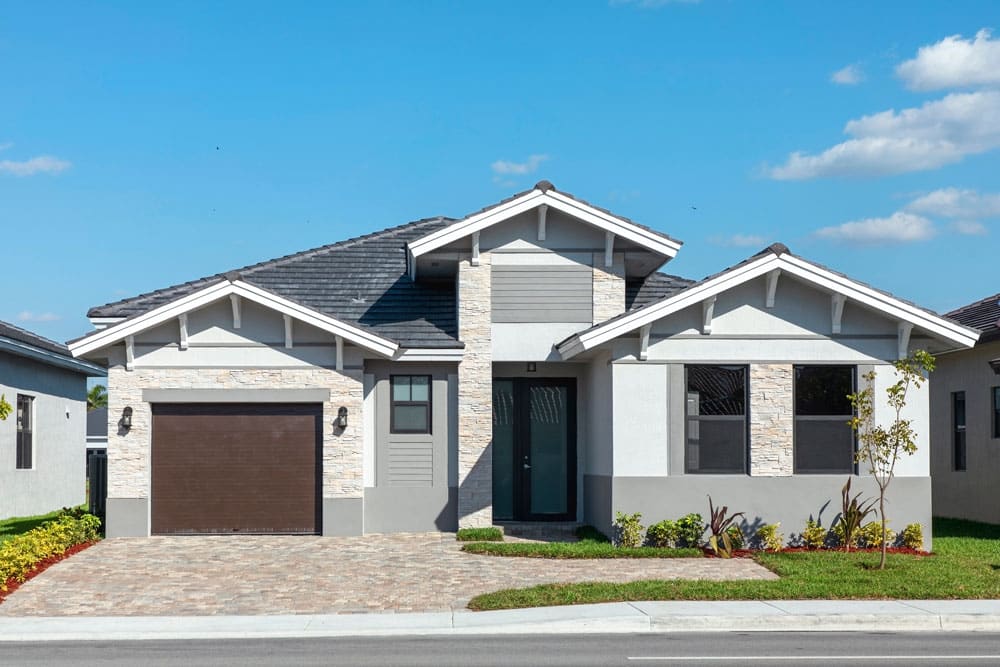
How much energy does a new home really use? Many buyers exploring energy-efficient new homes in Tacoma, WA, want to understand how new home energy usage compares to older properties. In reality, today’s new construction offers major efficiency advantages, lower utility bills, and healthier living environments. If you are searching for energy-efficient new homes, want insight into energy use in new construction, or are exploring Washington energy efficiency homes, understanding what drives these savings can help you make a confident and informed decision.
Below is a detailed look at how new homes perform, what systems create the biggest impact, and why builders like us at Sager Family Homes continue prioritizing energy-saving features in new homes.
The Energy Difference Between Old and New Homes
When comparing a typical older home to a newly built one, the difference in energy use is significant. Homes built decades ago were constructed under far less rigorous codes. Insulation was thinner, air sealing was minimal, HVAC systems were outdated, and windows allowed substantial heat transfer.
New homes operate more like finely tuned systems. Better insulation, high-performance heating and cooling, improved ventilation, and modern windows all work together to reduce wasted energy. This tighter, more efficient building envelope results in measurable savings and year-round comfort.
Comparison Table: Older Homes vs. New Homes
Below is a general comparison of estimated energy use in older homes versus new construction. These numbers reflect national averages and illustrate how outdated building practices affect energy consumption.
Older Homes vs. New Homes: Average Energy Use
| Home Type | Approx. Annual Energy Use | Notes |
|---|---|---|
| Older Home (built before 1990) | 10,000 to 12,000 kWh | Less insulation, older HVAC, outdated windows |
| New Home (built after 2020) | 6,000 to 8,000 kWh | Advanced materials, high efficiency systems |
| Estimated Savings | 25 to 40 percent less energy use | Varies by size and occupant habits |
Washington’s energy codes are stricter than many other states, which means buyers often enjoy even greater savings with new homes built here.
Why New Construction Homes Use Less Energy
Energy-efficient construction starts from the ground up. Instead of retrofitting older structures, builders integrate efficient components into every layer of the home. That includes the roof, walls, foundation, ductwork, mechanical systems, and lighting.
This whole-home approach ensures new homes waste less energy, regulate temperatures better, and maintain a higher level of comfort with less effort.
Key Efficiency Features in New Construction Homes
Modern new homes include numerous upgrades, but several features consistently drive the biggest improvements in energy efficiency.
High Quality Insulation
Insulation is foundational to efficient home performance. Older homes often have insulation that has compressed or deteriorated over time. Gaps allow heat to escape, increasing energy usage.
New construction includes:
- Higher R-value insulation
- Advanced materials such as blown-in cellulose and rigid foam
- Complete air sealing around joints and electrical openings
These improvements keep conditioned air inside where it belongs.
Advanced HVAC Systems
Heating and cooling represent a large share of a home’s total energy demand. Older systems often have low efficiency ratings.
New homes typically include:
- High efficiency heat pumps or furnaces
- Sealed and insulated duct systems
- Smart thermostats that optimize temperature settings
Together, these features reduce energy consumption while improving comfort.
Energy Efficient Windows
Single-pane or early-generation double-pane windows in older homes allow considerable heat transfer.
New homes are equipped with:
- Low emissivity coatings
- Multi-pane glass
- Argon or krypton gas fills
- Insulated window frames
These components help maintain indoor temperatures and reduce HVAC workload.
Efficient Lighting and Appliances
The switch from incandescent to LED lighting alone cuts electricity use dramatically. Modern homes also include ENERGY STAR appliances that operate more efficiently throughout the day.
This includes:
- Refrigerators
- Dishwashers
- Washers and dryers
- Ceiling fans
- Built-in ventilation systems
Each appliance contributes incremental savings that add up over time.
Smart Home and Design Features
Today’s new homes integrate design elements that naturally reduce energy use.
For example:
- Windows positioned for natural daylight
- Open-concept layouts that distribute conditioned air more efficiently
- Balanced ventilation for better indoor air quality
- Moisture and temperature controls that help mechanical systems work less
The result is a comfortable home that performs well in all seasons.
Everyday Benefits of an Energy Efficient New Home
Beyond lower utility bills, buyers experience several daily benefits from living in an energy-efficient new home.
More Consistent Comfort
Advanced insulation and windows eliminate cold spots and drafts.
Quieter Living Spaces
Tighter building envelopes reduce outside noise.
Better Indoor Air Quality
Modern ventilation filters dust, allergens, and pollutants.
Lower Maintenance Costs
High-efficiency HVAC and LED lighting last longer and require fewer repairs.
These lifestyle improvements make new construction homes appealing both financially and practically.
Washington Energy Efficiency Codes Make a Difference
Washington State is recognized for having some of the strongest residential energy codes in the country. This means new homes built in the Puget Sound region, including Tacoma, must meet high standards for insulation, windows, ventilation, duct sealing, and mechanical system efficiency.
For homeowners, this translates into:
- Lower energy bills
- Better long-term durability
- Reduced environmental impact
- A home that performs well even in fluctuating seasonal temperatures
Builders who operate in this environment understand how to incorporate efficient design into every home.
How Sager Family Homes Builds for Efficiency
With nearly 50 years of experience, Sager Family Homes is committed to constructing high-quality, energy-efficient homes throughout the Puget Sound region. Every home is designed with performance, comfort, and sustainability in mind.
Sager Family Homes incorporates:
- High-performance insulation
- Advanced HVAC systems
- Durable, energy-efficient windows
- LED lighting
- Smart home features
- Floor plans that take advantage of natural light
Our communities highlight thoughtful design and long-term value, giving homeowners homes that feel good to live in and are affordable to maintain.
Contact Us Today
If you are comparing older homes to new construction, the benefits of energy-efficient building practices become clear. Today’s new homes offer significant energy savings, improved comfort, and long-term durability. Sager Family Homes is proud to build energy-efficient new homes in Tacoma, WA, fulfilling a decades-long commitment to quality and community.
We have been creating communities in the Puget Sound for almost 50 years. Building community is not just our job. It is our passion.
Ready to explore your next home? Contact us today to discover floor plans designed for comfort, efficiency, and lasting value.