Tax Incentives and Rebates for Energy-Efficient Homes in Federal Way
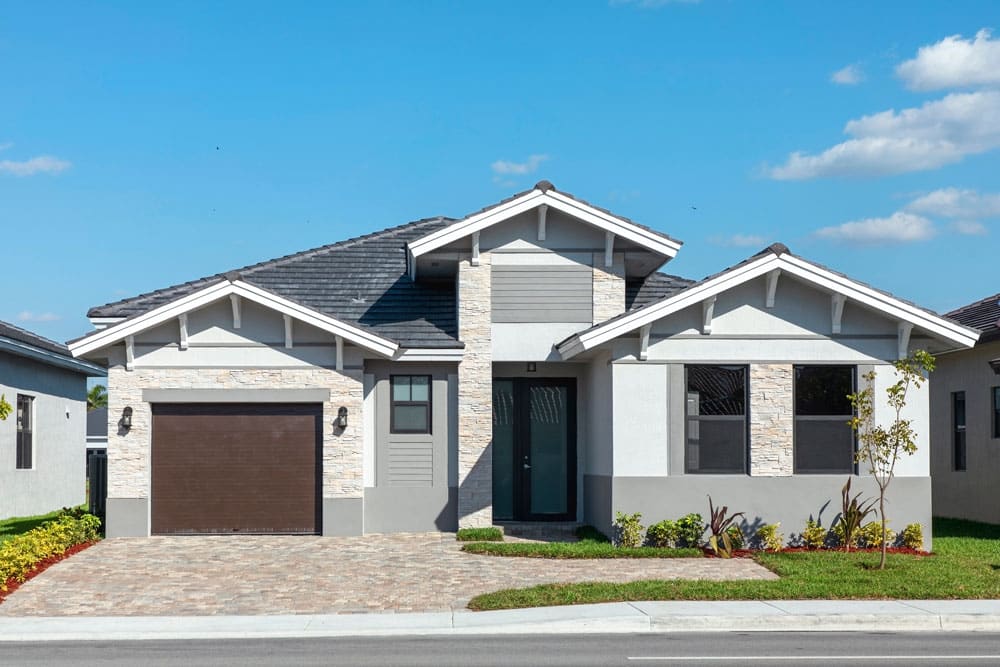
Buying an energy-efficient home in Federal Way can deliver long-term comfort, lower monthly utility bills, and meaningful financial incentives. Buyers who understand how federal tax credits, Washington State rebates, and sales tax exemptions work can often reduce upfront and long-term costs when purchasing or upgrading a high-performance home.
This guide explains what qualifies as an energy-efficient home, which incentive programs Washington buyers should know about, how these programs apply to new construction, and what documentation you should keep so you do not miss out on savings later.
What Qualifies as an Energy-Efficient Home?
An energy-efficient home is designed to reduce energy use across heating, cooling, water heating, lighting, and ventilation while maintaining comfort and healthy indoor air.
In practice, eligibility for incentives is usually based on specific systems, performance thresholds, or recognized standards rather than a general green claim.
Common Energy-Efficient Features That Matter for Incentives
| Home Feature | Why It Matters |
|---|---|
| High-efficiency HVAC | Reduces heating and cooling energy use |
| Heat pump water heater | Lowers water heating costs and may qualify for credits |
| Advanced insulation | Improves comfort and reduces energy loss |
| High-performance windows | Helps regulate indoor temperature |
| Balanced ventilation | Supports indoor air quality |
| ENERGY STAR appliances | Meets efficiency benchmarks used by many programs |
When comparing homes, look for documented equipment models, efficiency ratings, or third-party certifications that support eligibility for credits and rebates.
Why Energy Efficiency Matters for Federal Way Buyers
Federal Way’s climate makes efficient heating, moisture control, and insulation especially important. A well-built energy-efficient home can provide:
| Benefit | Buyer Impact |
|---|---|
| Lower utility bills | Ongoing monthly savings |
| More consistent temperatures | Fewer drafts and hot or cold spots |
| Improved indoor air quality | Healthier living environment |
| Reduced maintenance | Newer, right-sized equipment |
| Potential incentive eligibility | Federal and state savings |
Efficiency affects both comfort and long-term ownership costs.
Understanding Incentives, Rebates, and Tax Exemptions
Before reviewing specific programs, it helps to understand the differences.
| Term | What It Means |
|---|---|
| Rebate | A discount or reimbursement that reduces purchase or upgrade costs |
| Tax credit | A reduction in federal tax liability when you file |
| Tax exemption | A reduction or removal of sales or use tax at purchase |
Rules vary by program, and eligibility often depends on system type, efficiency level, and installation date. Saving documentation is essential.
Washington and Federal Programs Buyers Should Know
The following programs are especially relevant for buyers of energy-efficient homes in Federal Way and the Puget Sound region.
Key Incentive Programs at a Glance
| Program | What It Supports |
|---|---|
| Washington Department of Commerce IRA Home Energy Rebates | Electrification and energy efficiency upgrades |
| Washington HEAR Program | Heat pumps, heat pump water heaters, induction cooking |
| Climate.wa.gov Energy Savings Hub | Centralized state and federal incentive guidance |
| FundHubWA | Clean energy funding and federal tax credit summaries |
| IRS Energy Efficient Home Improvement Credit | Qualifying efficiency upgrades and heat pumps |
| IRS Residential Clean Energy Credit | Solar and battery storage systems |
| WA Department of Revenue Sales Tax Exemptions | Certain renewable energy systems |
These programs may evolve over time, so always confirm current rules and availability.
How Incentives Apply to Homebuyers, Not Just Remodelers
Energy incentives are often associated with retrofits, but they can apply to buyers in several ways.
| Scenario | How Incentives May Apply |
|---|---|
| New construction purchase | Efficient systems may already meet eligibility |
| Post-purchase upgrades | Credits may apply to solar, batteries, or equipment |
| Electrification planning | Future-ready homes simplify upgrades |
| Budget timing | Credits and rebates can influence when upgrades happen |
Choosing a home with energy-smart features can simplify future eligibility.
What to Ask When Touring Energy-Efficient Homes in Federal Way
Avoid vague claims and ask for specifics.
Buyer Checklist for Energy-Efficient Homes
| Question | Why It Matters |
|---|---|
| What HVAC system is installed and what is the rating? | Determines comfort and credit eligibility |
| Is the water heater a heat pump model? | A key incentive-eligible upgrade |
| What insulation levels are used? | Impacts energy use and comfort |
| Has the home been tested for air leakage? | Indicates construction quality |
| What ventilation system is installed? | Supports indoor air quality |
| Are appliances ENERGY STAR certified? | May align with incentive standards |
| Is documentation available for future upgrades? | Simplifies credit and rebate claims |
Clear answers help you compare homes accurately.
Timing and Documentation Buyers Should Keep
Incentives depend on proper records. Keep a dedicated folder with:
| Document Type | Why You Need It |
|---|---|
| Purchase agreements and spec sheets | Confirms installed equipment |
| Manufacturer certifications | Required for some credits |
| Receipts and invoices | Proof of eligible expenses |
| Rebate confirmations | Verifies program participation |
| Installation dates | Determines credit eligibility timing |
Good records make tax filing and rebate claims much easier.
Common Misunderstandings That Can Cost Buyers Money
Many buyers miss savings due to assumptions.
| Misunderstanding | Reality |
|---|---|
| Energy-efficient equals eligible | Programs require specific criteria |
| Tax credits equal refunds | Credits reduce liability, not always refunds |
| Rebates are unlimited | Funding and income limits may apply |
| Rules stay the same | Programs and caps can change |
| Sales tax relief is automatic | Eligibility rules are strict |
Always rely on official program guidance rather than general claims.
A Simple Action Plan for Eco-Conscious Buyers in Federal Way
| Step | What to Do |
|---|---|
| Define priorities | Lower bills, electrification, air quality, solar readiness |
| Ask for documentation | Request equipment lists and ratings |
| Check official hubs | Use Climate.wa.gov and FundHubWA |
| Plan upgrades carefully | Align with IRS credit caps |
| Organize paperwork | Keep records from day one |
This approach helps maximize savings while avoiding surprises.
Tour Energy-Efficient Homes with Sager Family Homes
If you are exploring energy-efficient new construction in Federal Way or the greater Puget Sound region, Sager Family Homes can help you find a home built for comfort, efficiency, and long-term value.
We have been creating communities in the Puget Sound for nearly 50 years, with a focus on quality craftsmanship and thoughtful design. Contact Sager Family Homes to tour our energy-smart homes, ask detailed questions about performance features, and take the next step toward a home that supports your lifestyle and your budget.